What 150 CFOs Told Me About The Future Of Finance
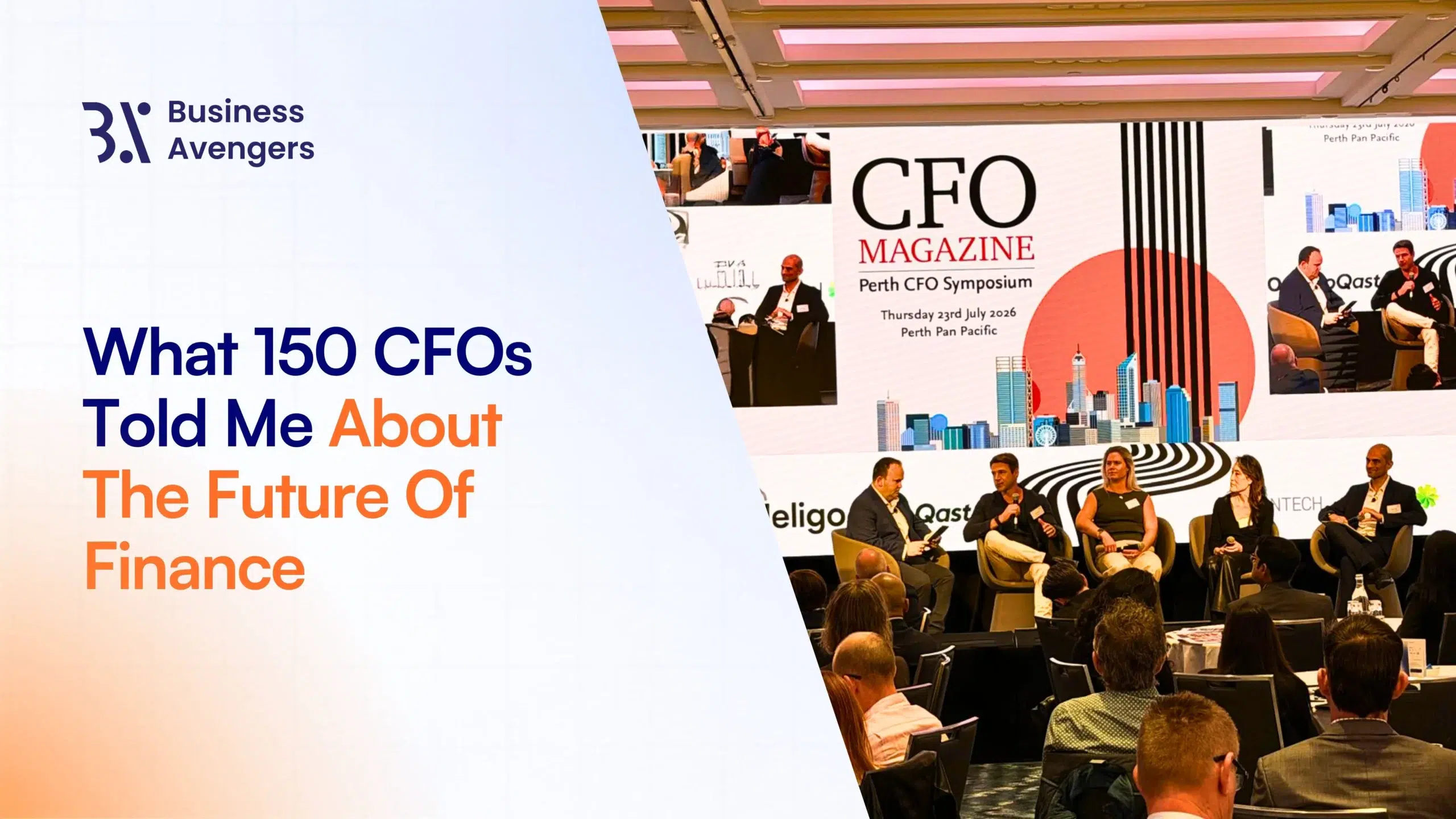
I spent Thursday in a room with roughly 150 CFOs and finance leaders, and by mid-afternoon I'd stopped counting how many times I heard some version of the same sentence: "We know we need to change how we do this. We just don't know where to start."
That, more than any single panel or keynote, is what stayed with me. Not the AI demos. Not the frameworks. The honesty of a room full of experienced finance leaders admitting the ground is shifting faster than most of their functions are built to handle.
Here's what I actually heard, in the hallway conversations as much as on stage.
The talent problem hasn't gone away, it's changed shape
Every second conversation I had touched on the same thing: it's hard to hire good transactional finance talent, harder to retain them, and increasingly expensive to do either. But the more interesting version of this problem wasn't recruitment. It was capacity. CFO after CFO told me their best people are still buried in reconciliations and month-end admin instead of the forecasting and business partnering work that actually needs their judgement. The talent shortage isn't just a hiring problem anymore. It's a time allocation problem.
AI curiosity is high. AI trust is earned slowly
I lost count of how many people asked me some version of "so what should we actually be doing with AI?" And almost every one of them followed it with a version of "but I don't trust it with our numbers yet." That gap, between curiosity and trust, is exactly where I think the next few years of finance transformation will play out. It's also exactly the problem I built Becide to sit inside: not AI that replaces a CFO's judgement, but AI that earns the right to be trusted with real financial data, one reviewed output at a time.
The finance leaders I spoke to don't want another dashboard. They want fewer hours spent producing the dashboard in the first place.
Leadership is becoming a commercial skill, not just a technical one
A theme that came up again and again, on stage and off it: the CFO's job is no longer just getting the numbers right. It's being in the room when the business is deciding where to grow, what to price, and how to raise capital. More than one person told me they feel underprepared for that shift, not because they lack the financial acumen, but because nobody trained them to be persuasive, commercially minded operators. That's a leadership gap, not a technical one, and I don't think enough finance functions are addressing it head on.
Outsourcing conversations have matured
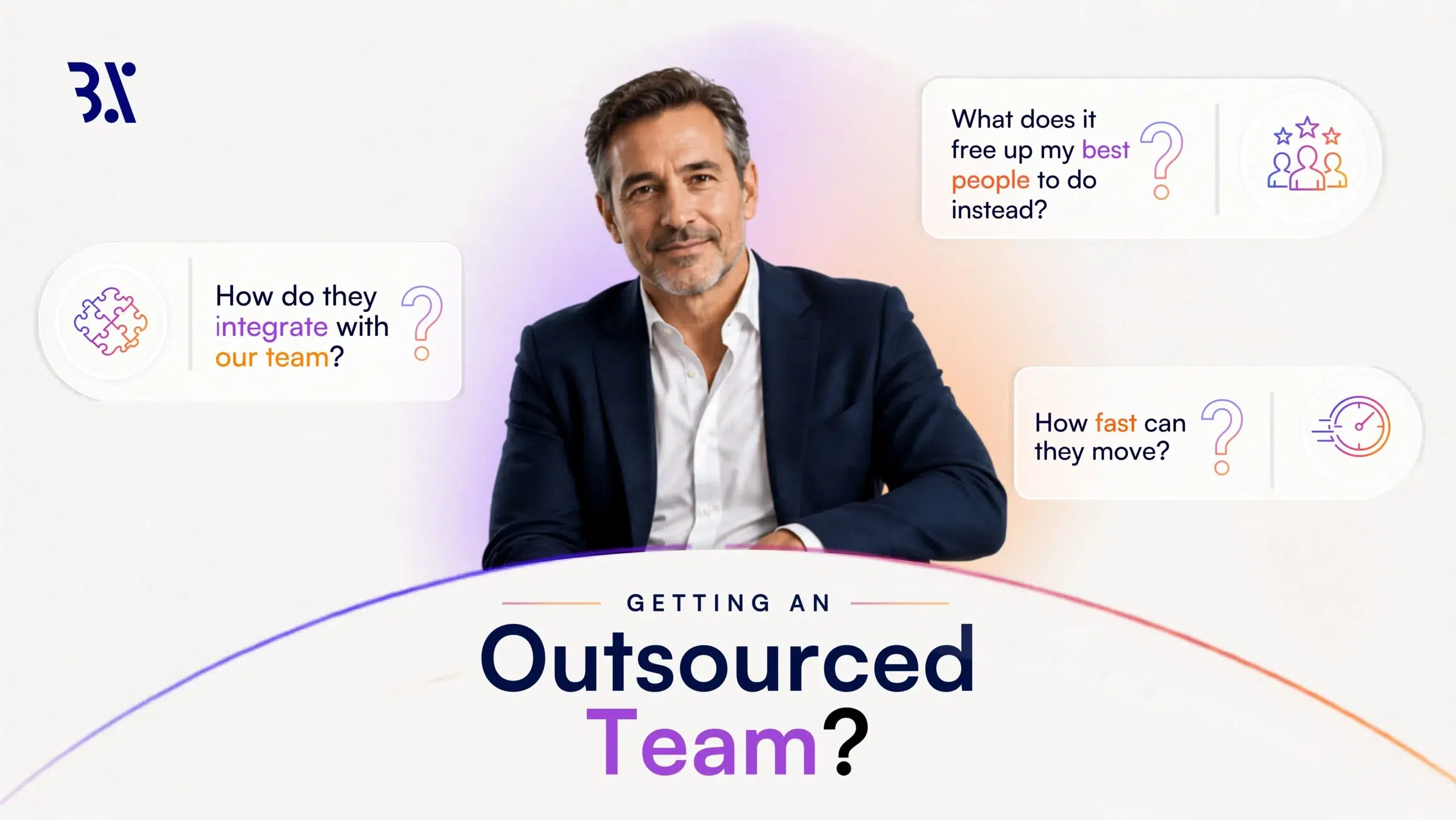
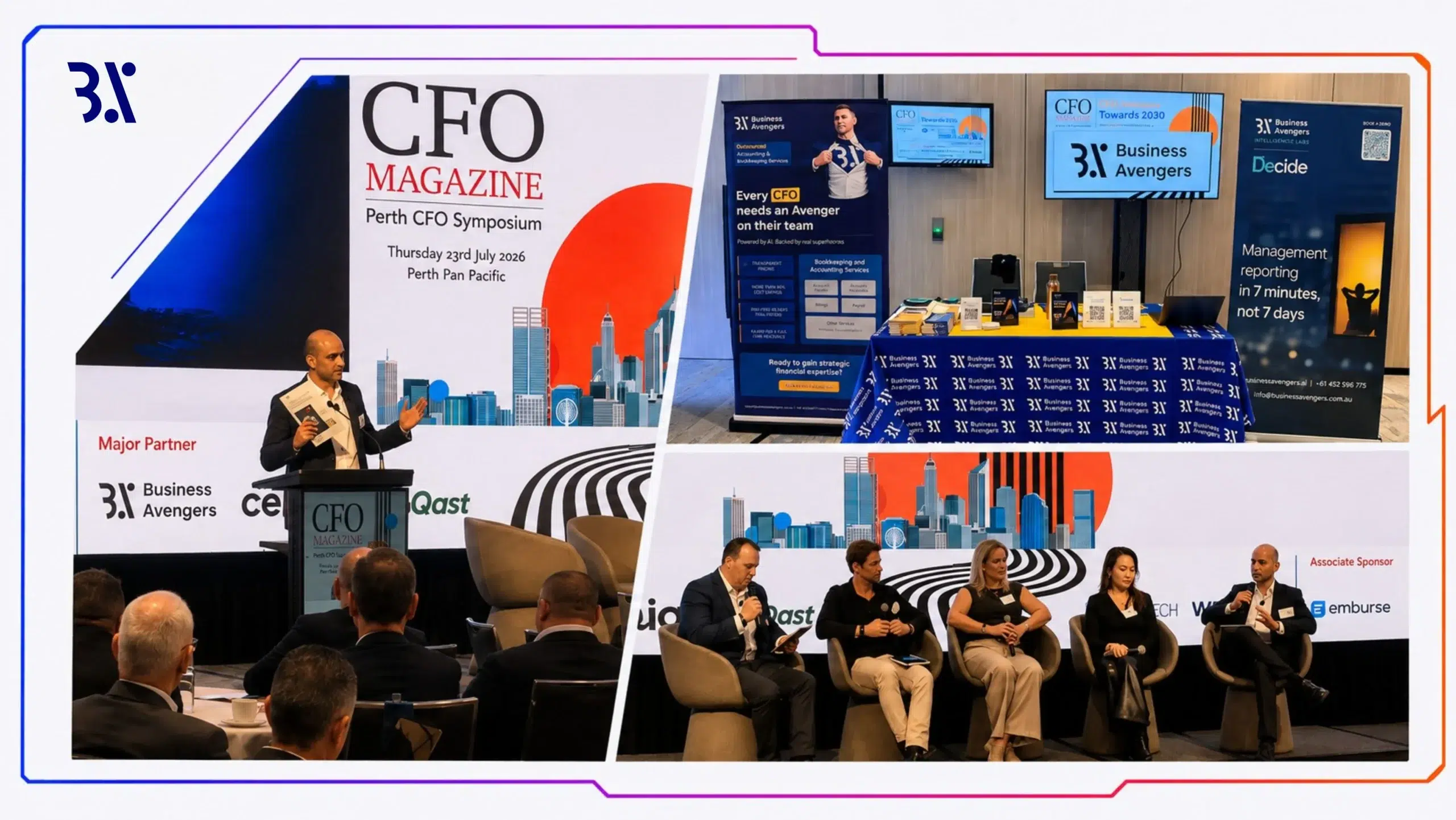
I've been doing this long enough to remember when "outsourcing your finance function" was a defensive conversation, mostly about cost. That's not the conversation I had on Thursday. The CFOs I spoke with, including the two who joined me on stage from True Protein and 4CRisk, were asking sharper questions: how does an outsourced or embedded team actually integrate with ours? How fast can it move? What does it free up my best people to do instead? That's a different, more strategic conversation than the one this industry was having even two or three years ago, and I think it reflects real scar tissue from CFOs who've tried the cheap version of outsourcing and learned the hard way that it doesn't work without clean data and real integration.
The common thread
If I had to boil 150 conversations down to one idea, it's this: almost nobody I spoke to is short on ambition. They're short on capacity. The finance leaders in that room want to be strategic partners to their businesses. Most of them know exactly what that would look like. What's standing in the way, in nearly every conversation, is the same unglamorous thing: data that isn't clean, processes that aren't documented, and not enough hours in the week to fix either while still closing the books on time.
That's the problem I think finance, as an industry, actually needs to solve before we get too excited about what AI or outsourcing or automation can do next. The tools are ready. I'm not convinced most of our foundations are.
If any of this sounds familiar and you want to talk through what it means for your own finance function, I'd genuinely like to hear from you.
Frequently Asked Questions
What is the biggest challenge finance leaders are facing right now?
Capacity, not ambition. Most CFOs know what strategic finance should look like, but their best people are still tied up in reconciliations and month-end admin instead of forecasting and business partnering. The constraint is time and clean data, not vision.
Why don't more CFOs trust AI with their financial data yet?
Curiosity about AI is high, but trust has to be earned output by output. Finance leaders want fewer hours spent producing reports, not another dashboard, so AI needs to prove itself on real financial data before it's relied on for judgement calls.
Has outsourcing finance functions changed in recent years?
Yes. What used to be a defensive, cost-driven conversation has matured into a strategic one. CFOs now ask how an outsourced or embedded team integrates with their own, how quickly it can move, and what it frees their best people to focus on instead.
Is the finance talent shortage really about hiring?
Not entirely. While hiring and retaining transactional finance talent is genuinely harder and more expensive, the deeper issue is that skilled people are absorbed by routine admin work rather than higher-value analysis and business partnering.
What do finance leaders need to become better commercial partners to the business?
Financial acumen alone isn't the gap. Many CFOs feel underprepared to be persuasive, commercially minded operators in decisions about growth, pricing, and capital, which points to a leadership and communication gap rather than a technical one.
Want to talk any of this through with a finance leader who has run these functions?
Was this article helpful?

Dilip Kherajani
CPA, Australia and Financial Strategist
20+ years of experience in Finance across multiple industries and geographies, 10+ of them as a CFO.