What is CapEx & Why it is Important for Growth?
When business leaders in Australia discuss long-term growth, one term that regularly enters the conversation is CapEx. Whether you’re a CFO, a finance manager, or a business owner, understanding CapEx is not just about knowing accounting terminology—it’s about recognising how investment decisions today shape the trajectory of tomorrow.
In this blog, we’ll define CapEx, explain its meaning in plain terms, explore why it matters for growth, and provide practical insights into managing your capital expenditure budget. We’ll also highlight real-world challenges CFOs face and how to overcome them, ensuring your CapEx decisions truly add value to your business.
What is CapEx?
Let’s begin with the basics: what is CapEx?
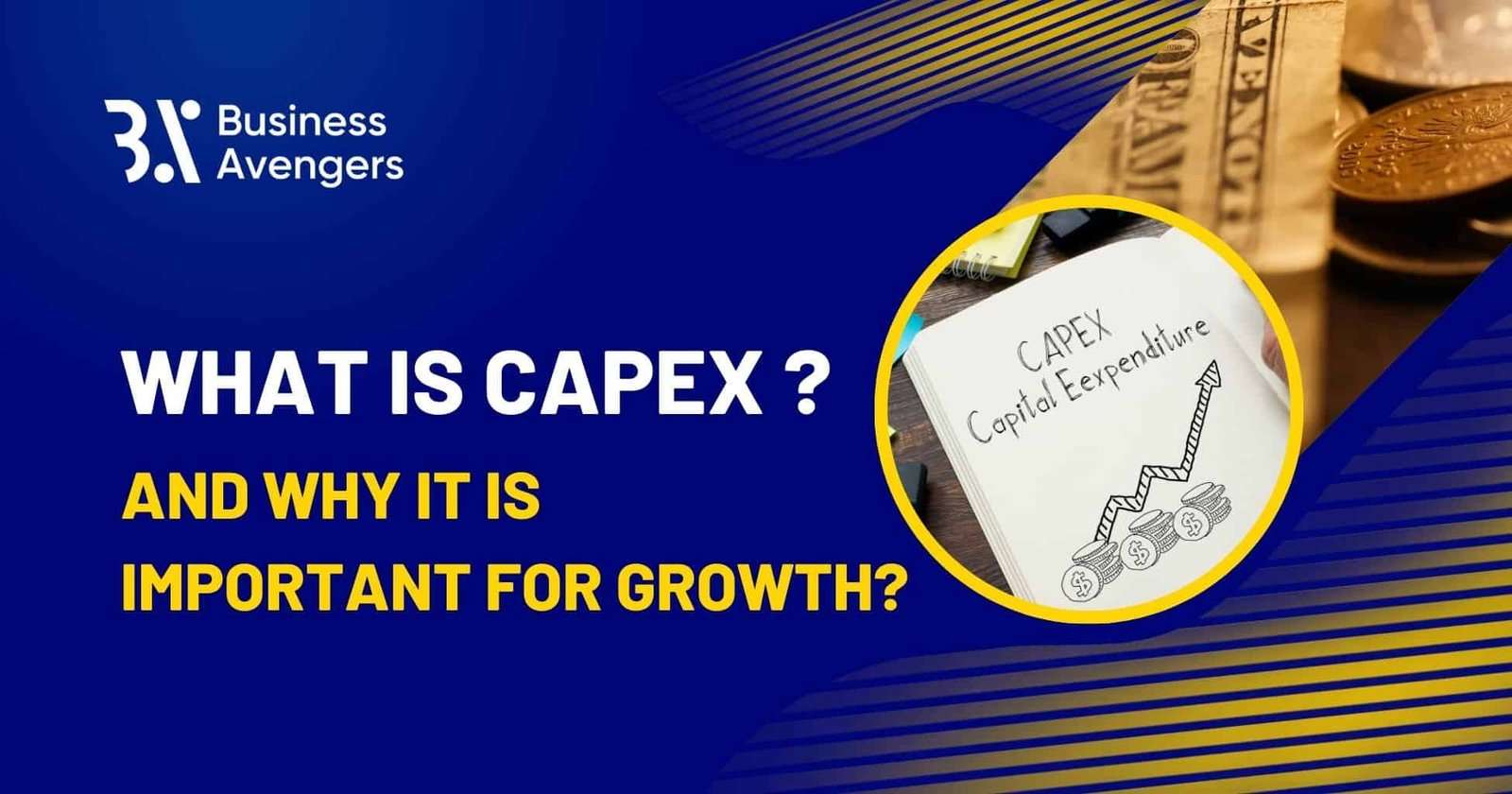
CapEx, short for capital expenditure, refers to the money a business spends to purchase, upgrade, or maintain long-term assets. These assets aren’t consumed immediately like day-to-day expenses; instead, they are investments expected to deliver benefits over several years.
In other words, when you hear someone ask, “what is the definition of capital expenditure?”, the answer is: it’s spending that helps a business grow, stay competitive, or remain operational by investing in assets such as:
This is different from OpEx (operating expenditure), which covers the recurring costs of running a business, such as salaries, rent, or utility bills.
- Machinery and equipment
- Office buildings and warehouses
- Vehicles and fleet assets
- IT infrastructure and software systems
- Upgrades and major repairs that extend asset life
Why Does CapEx Matter?
For CFOs and business owners, CapEx is not just another entry in the books—it’s a strategic decision that shapes the future of the business. Here’s how it makes a real difference:
In short, well-planned capital expenditure allows Australian businesses to grow with confidence, stay resilient in changing markets, and build a foundation for lasting success.
- Driving Growth – When businesses invest in new sites, advanced machinery, or cutting-edge technology, they open doors to new opportunities. These investments expand capacity and allow companies to move into untapped markets, creating stronger growth pathways.
- Staying Competitive – In industries where innovation never slows down, falling behind can be costly. Regular investment in upgrades helps businesses keep pace with market demands and stay a step ahead of competitors.
- Improving Efficiency – Modern equipment, automation, and digital systems aren’t just “nice to have”—they directly cut costs, reduce downtime, and help teams produce more with fewer resources. Efficiency gains like these strengthen the bottom line.
- Ensuring Compliance – Many industries face strict environmental, safety, and regulatory requirements. Allocating CapEx to meet these standards is not optional—it’s essential for avoiding penalties, protecting reputation, and ensuring long-term sustainability.
Define CapEx vs Describe Capital Expenditure
Many finance professionals often use the phrases define CapEx and describe capital expenditure interchangeably. However, there is a subtle distinction:
Both are important because understanding the definition provides clarity, while real-world descriptions show how it impacts financial decision-making.
- To define CapEx is to state its meaning: long-term investment in assets.
- To describe capital expenditure means explaining how it appears in practice—purchasing new equipment, upgrading IT systems, or expanding premises.
Examples of Capital Expenditure
Each of these investments represents money spent today for benefits that stretch over many years. Examples of Capital Expenditure in Australian Businesses
To understand what is capital expenditure (CapEx), it helps to look at real business situations. In simple terms, CapEx meaning refers to the money spent by a company today to acquire, upgrade, or maintain long-term assets that will benefit the business for years ahead. Below are some practical capital expenditure examples relevant to Australian industries:
-A manufacturer is buying new robotic assembly lines to increase production speed.
When we describe capital expenditure, this is a clear case. By investing in robotic assembly lines, manufacturers improve productivity and reduce future production costs. Though the upfront cost is high, the efficiency and accuracy gained make it a sound long-term investment.
-A logistics company is expanding its fleet with fuel-efficient vehicles.
This capital expenditure (CapEx) not only reduces operating expenses but also aligns with the growing push for sustainability. By investing in modern, fuel-efficient trucks, logistics companies secure long-term savings while strengthening their competitive position.
-A retailer is renovating its store network for a better customer experience.
If you want to define CapEx in a retail setting, store renovations are a prime example. Investing in modern layouts, upgraded interiors, and digital enhancements helps retailers improve customer engagement and drive higher sales over time.
-A professional services firm upgrading cloud-based accounting software.
Another way to describe capital expenditure is through technology upgrades. For service firms, investing in cloud-based software delivers greater accuracy, faster reporting, and better scalability—turning today’s investment into tomorrow’s efficiency.
-A mining business investing in heavy equipment for extraction and safety.
Among the most common capital expenditure examples, mining companies frequently spend on heavy machinery. This investment not only improves extraction capacity but also enhances workplace safety and ensures compliance with industry standards.
Each of these examples shows the true definition of capital expenditure—spending money today to create long-term value, efficiency, and growth. A well-planned CapEx budget ensures businesses stay competitive while building a stronger future.
CapEx Budget: Planning Ahead
One of the most critical responsibilities for CFOs is setting a CapEx budget. Unlike operational expenses, CapEx decisions are often high-value, complex, and carry long-term consequences.
When preparing a CapEx budget, CFOs should consider:
A well-prepared CapEx budget ensures that resources are allocated effectively and avoids situations where capital is tied up in underperforming assets.
- Strategic Alignment: Does the proposed expenditure align with long-term business goals?
- Cash Flow Impact: Can the business finance the purchase without straining liquidity?
- ROI Analysis: Will the investment generate enough return to justify the cost?
- Risk Assessment: What are the potential risks if the asset underperforms?
Growth CapEx vs Maintenance CapEx
Not all CapEx is the same. Let’s break down Growth CapEx versus Maintenance CapEx to see how each impacts the direction of a business.
Growth CapEx – This refers to investments aimed at taking the business to the next level. It could mean building a new facility, expanding into a fresh market, or adding a new product line. Growth CapEx shows intent – it’s about scaling and creating future revenue streams.
Maintenance CapEx – On the other hand, maintenance spending is about keeping the wheels turning smoothly. Think replacing worn-out machinery, upgrading outdated systems, or maintaining existing infrastructure. It doesn’t necessarily fuel growth, but without it, operations can stall.
Both forms of capital expenditure are vital. Growth CapEx paves the way for expansion and new opportunities, while maintenance CapEx protects the foundation of the business, ensuring stability and continuity.
How CapEx Impacts Financial Performance
The importance of capital expenditure becomes clear when you look at how it affects the financial statements:
For CFOs, this means CapEx decisions require a balance between short-term liquidity and long-term profitability.
- Balance Sheet: CapEx increases the value of fixed assets.
- Income Statement: Depreciation spreads the cost of CapEx over its useful life, affecting net profit.
- Cash Flow Statement: Large capital expenditures reduce short-term cash flow but are often offset by long-term returns.
What is CapEx Used For?
In short, CapEx isn’t just about spending money—it’s about laying the groundwork for long-term growth. By investing wisely in infrastructure, technology, and compliance, Australian businesses can strengthen their operations, improve customer trust, and stay ahead of competitors. A well-planned CapEx strategy ensures that today’s investments create tomorrow’s opportunities.
- Expanding production capacity Businesses often invest in new plants, machinery, or equipment to meet rising demand and scale operations without compromising on quality.
- Modernising infrastructure From upgrading office buildings to refreshing IT systems, CapEx helps companies keep their foundations strong and future-ready.
- Increasing operational efficiency Investments in automation tools, supply chain systems, or advanced machinery allow businesses to reduce costs and boost productivity.
- Enhancing customer experience Whether it’s setting up modern retail spaces, digital platforms, or better service facilities, CapEx plays a direct role in improving how customers interact with a business.
- Meeting compliance standards Regulations in Australia often require upgrades to safety equipment, environmental systems, or reporting tools—CapEx ensures businesses stay compliant while protecting their reputation.
- Supporting innovation and digital transformation In today’s digital-first world, many Australian businesses are using CapEx for cloud technology, cybersecurity, and AI-driven tools—helping them stay competitive and ready for the future.
Real-World Challenges in Managing CapEx
While capital expenditure is a driver of long-term growth, it also comes with its own set of hurdles. Many CFOs and business owners in Australia find themselves navigating the following challenges:
Uncertain ROI
Even the most carefully planned investments don’t always deliver the expected returns. For example, infrastructure upgrades or new facility expansions may be impacted by shifts in demand, supply chain pressures, or broader economic conditions like rising interest rates.
Funding Constraints
Large-scale investments often require juggling between debt, equity, and available cash reserves. In Australia, where many mid-sized businesses face tight lending conditions, balancing growth ambitions with healthy cash flow for day-to-day operations is a constant challenge.
Rapid Technology Change
With the fast pace of digital adoption — from cloud systems to AI-driven solutions — assets can become outdated sooner than expected. For sectors like manufacturing and logistics, this means equipment and systems may require reinvestment earlier than planned.
Regulatory Shifts
Australian businesses are seeing growing pressure from environmental, social, and governance (ESG) requirements, as well as new compliance standards. Whether it’s investing in greener technology, meeting sustainability targets, or adapting to workplace safety laws, unexpected CapEx can quickly enter the picture.
Misaligned Spending
When capital expenditure is not tied to strategy, it risks becoming wasteful. For instance, investing in technology without clear integration across operations can result in systems that sit idle, draining resources without driving growth.
The CFO’s Role
Addressing these challenges requires more than financial discipline. For Australian businesses, it calls for foresight, cross-department collaboration, and a clear strategic vision to ensure every dollar spent on CapEx supports not just immediate needs but long-term growth in a competitive market.
CapEx decisions can make or break growth. For CFOs and business owners, the key lies in aligning investments with strategy, staying agile to technology and regulatory changes, and ensuring funding models support both day-to-day operations and future expansion.
How to Optimise Capital Expenditure
Successful businesses don’t leave CapEx decisions to chance. They plan with discipline, weigh the long-term impact, and ensure every dollar invested drives growth. Here’s how:
Optimising capital expenditure is not just about spending wisely—it’s about aligning every investment with long-term growth. With the right planning, financing, and expert guidance, businesses can turn CapEx into a powerful driver of success.
- Prioritisation Frameworks – Rank potential projects by their return on investment, alignment with business strategy, and the risks involved. This helps channel funds into initiatives that create the greatest value.
- Scenario Planning – Before locking in large spends, test how projects might perform under different market or economic conditions. This forward view protects against costly surprises.
- Regular Reviews – Measure the actual performance of each capital investment against initial forecasts. Regular check-ins ensure resources are used effectively and underperforming projects are addressed early.
- Leveraging Finance Options – Big-ticket purchases don’t always need upfront cash. Leasing, asset financing, or joint ventures can spread costs and free up working capital for other priorities.
- Engaging Advisory Support – Many Australian businesses rely on CFO advisory firms like Business Avengers to bring structure and insight into their CapEx planning, ensuring every investment supports long-term growth.
Why CapEx is Crucial for Growth in Australia
For Australian businesses, capital expenditure is not just about buying new things—it’s about future-proofing operations. In industries like construction, mining, healthcare, retail, and professional services, growth depends heavily on investing in the right assets at the right time.
CFOs who manage CapEx strategically ensure their businesses not only survive but thrive in competitive markets.
With the Final Thought
Understanding CapEx meaning, planning a realistic CapEx budget, and aligning expenditure with long-term strategy is vital for sustainable growth. Whether it’s upgrading infrastructure, investing in technology, or expanding capacity, capital expenditure is the engine that drives future competitiveness.At Business Avengers, we work closely with CFOs and business owners across Australia to optimise CapEx decisions, ensuring every dollar invested contributes to measurable business growth. If you’re navigating the complexities of CapEx and want to make smarter financial decisions, contact us to discuss how we can support your journey.
Want to talk any of this through with a finance leader who has run these functions?
Was this article helpful?

Rohit Maloo
Chief Operating Officer, Business Avengers
Chartered accountant, ex investment banker and fully understands the Australian landscape.